
Biophilic design is rooted in a simple idea — that humans feel better when they are connected to nature. In interior design, this connection is created not through trends or decoration, but through thoughtful choices that bring natural elements, light, and balance into the spaces we live and work in.
Rather than being a defined style, biophilic design is an approach. One that prioritises wellbeing, comfort, and longevity, creating interiors that feel calm, restorative, and deeply human.
At the heart of biophilic design is the relationship between interior spaces and the natural world. This can be as simple as maximising natural light, framing views of the outdoors, or introducing planting that feels considered rather than decorative. Natural materials play an essential role — timber, stone, linen, wool, and clay-based finishes all bring texture and warmth, helping spaces feel grounded and authentic. These materials age gracefully, adding depth and character over time.
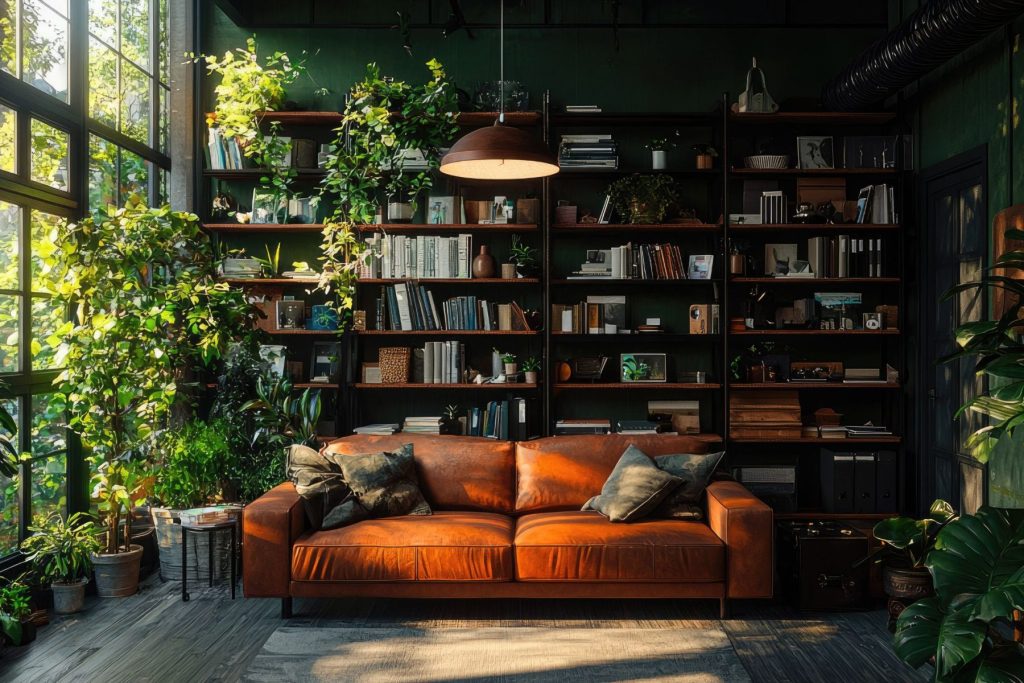
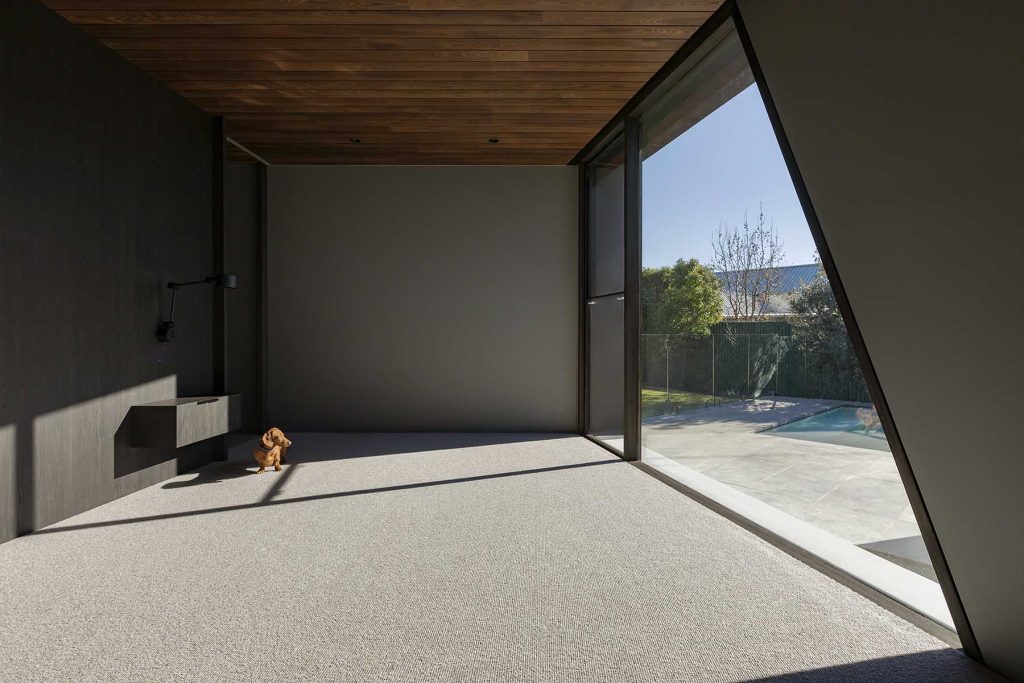
Light is one of the most powerful elements in biophilic interiors. Soft, natural light enhances mood, supports wellbeing, and changes gently throughout the day. Thoughtful layouts allow light to move through a space, creating a sense of openness without sacrificing intimacy.
Flow is equally important. Spaces designed with ease of movement in mind feel calmer and more intuitive. Biophilic design avoids cluttered layouts, favouring balance, proportion, and moments of pause.
Colour palettes in biophilic interiors often take cues from the natural environment. Soft greens, warm neutrals, muted blues, and earthy tones help create a sense of calm and continuity. These colours sit comfortably within both residential and commercial spaces, supporting focus, relaxation, and everyday living.
Rather than high contrast or overly bold statements, biophilic design favours layered tones that respond to light and season, ensuring interiors remain timeless and adaptable.
Biophilic design is closely linked to wellbeing. Interiors that feel connected to nature can reduce stress, improve concentration, and encourage a greater sense of balance. This is particularly relevant in workspaces, where thoughtful design can positively influence productivity and comfort.
In homes, biophilic principles help create environments that feel restorative — spaces that support rest, connection, and daily rituals without feeling overly designed.
While biophilic design has gained popularity in recent years, its principles are enduring. Designing with nature in mind creates interiors that feel relevant long after trends fade. It encourages restraint, quality, and thoughtful decision-making — values that align with timeless design.
By focusing on how a space feels rather than how it looks alone, biophilic interiors offer longevity and quiet confidence.
Whether applied subtly or more fully, biophilic design enhances the everyday experience of a space. It allows interiors to breathe, supports wellbeing, and creates environments that feel natural and considered.
At its core, biophilic design is about creating spaces that feel good to be in — calm, balanced, and quietly connected to the world outside.
A well-designed interior is shaped by balance. The relationship between colour, texture, and pattern plays a quiet but powerful role in how a space feels and how it’s experienced day to day.
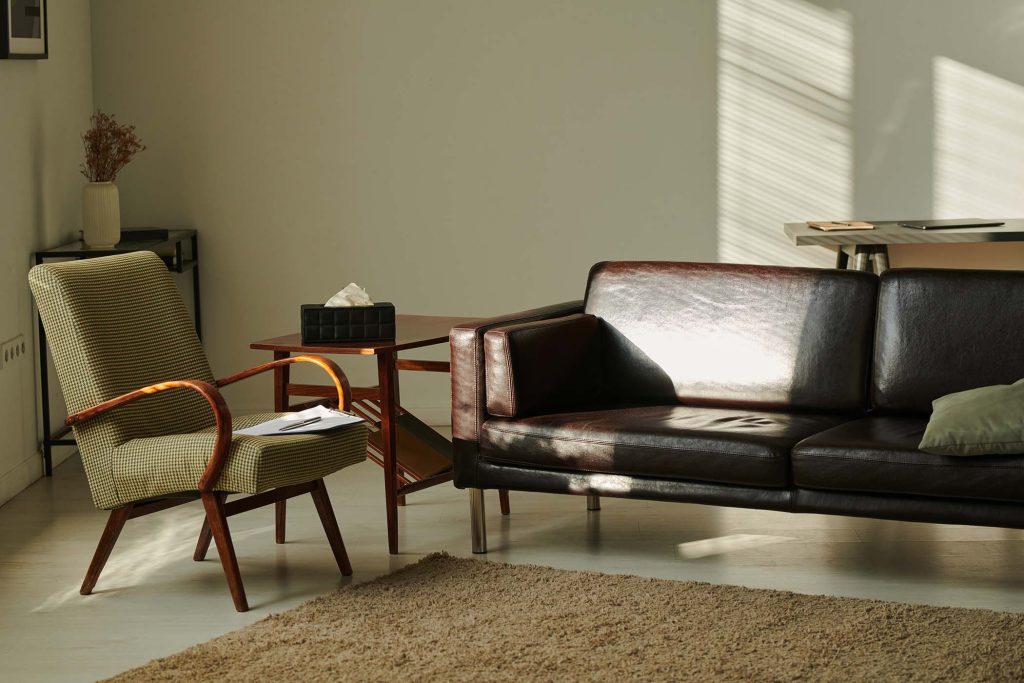
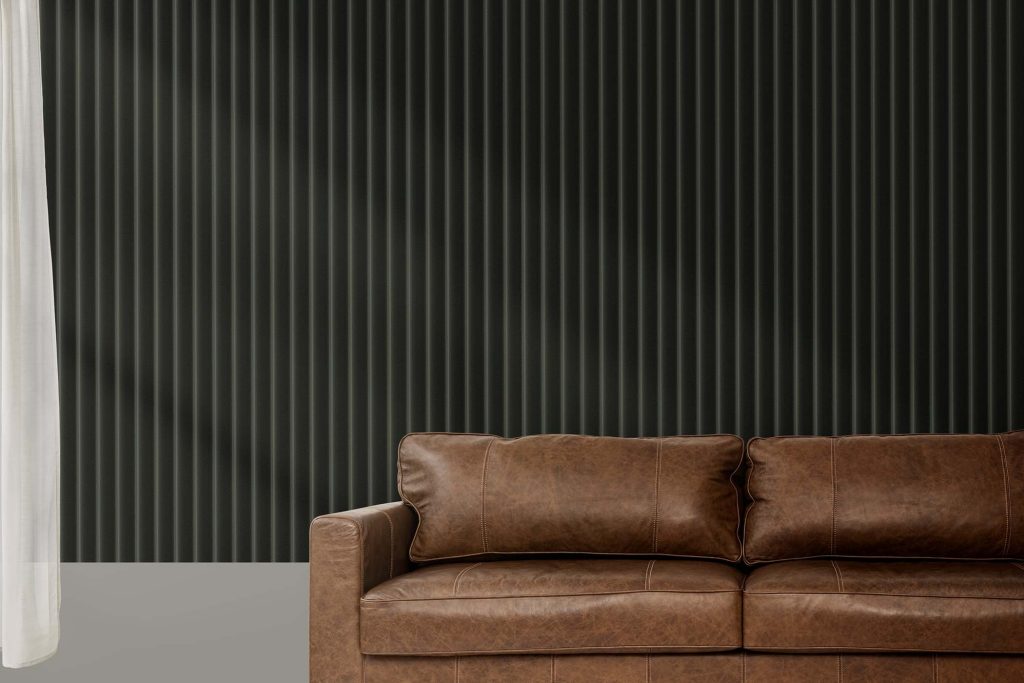
Through considered colour palettes, layered textures, and subtle pattern, I create interiors that feel cohesive and calm rather than overwhelming. Soft contrasts add depth, natural materials bring warmth, and carefully chosen patterns introduce character without distraction.
Every element is selected with intention, ensuring it works in harmony with the architecture of the space and the way it is used. The result is an interior that feels balanced, refined, and effortlessly connected — a space where each detail supports the whole.
Rather than following trends, this approach focuses on how colours, textures, and patterns interact with light, proportion, and movement. The aim is to create spaces that feel intuitive and timeless, where each choice enhances comfort and atmosphere.
At its best, interior design is about feeling. By carefully balancing colour, texture, and pattern, spaces become more than just well designed — they become places that feel settled, personal, and easy to live in. It is this sense of harmony that allows an interior to support everyday life, now and for years to come.
Post Tags :
Share :